Things to Do in Tulum: Ruins, Beaches, Cenotes and Local Life
Updated October 2026
The best things to do in Tulum are seeing the clifftop Maya ruins, swimming at Playa Paraíso, snorkeling in cenotes such as Gran Cenote and Cenote Dos Ojos (compare them in our best cenotes in Tulum guide), and exploring the Sian Ka'an Biosphere Reserve. Add Tulum town's food scene and nearby Coba ruins, the quiet Muyil ruins or Akumal, and three to four days fill easily.
What Are the Best Things to Do in Tulum?
Tulum's top activities mix Maya history, Caribbean beaches and freshwater cenotes, all within about 30 minutes of town. This shortlist covers the experiences most visitors rate highest.
- Walk the Tulum archaeological site above the sea at opening time.
- Swim at Playa Ruinas or Playa Paraíso, below the ruins.
- Snorkel Gran Cenote, with turtles and clear cave water.
- Jump into Cenote Calavera's small skull-shaped holes.
- Float the ancient Maya canals in Sian Ka'an.
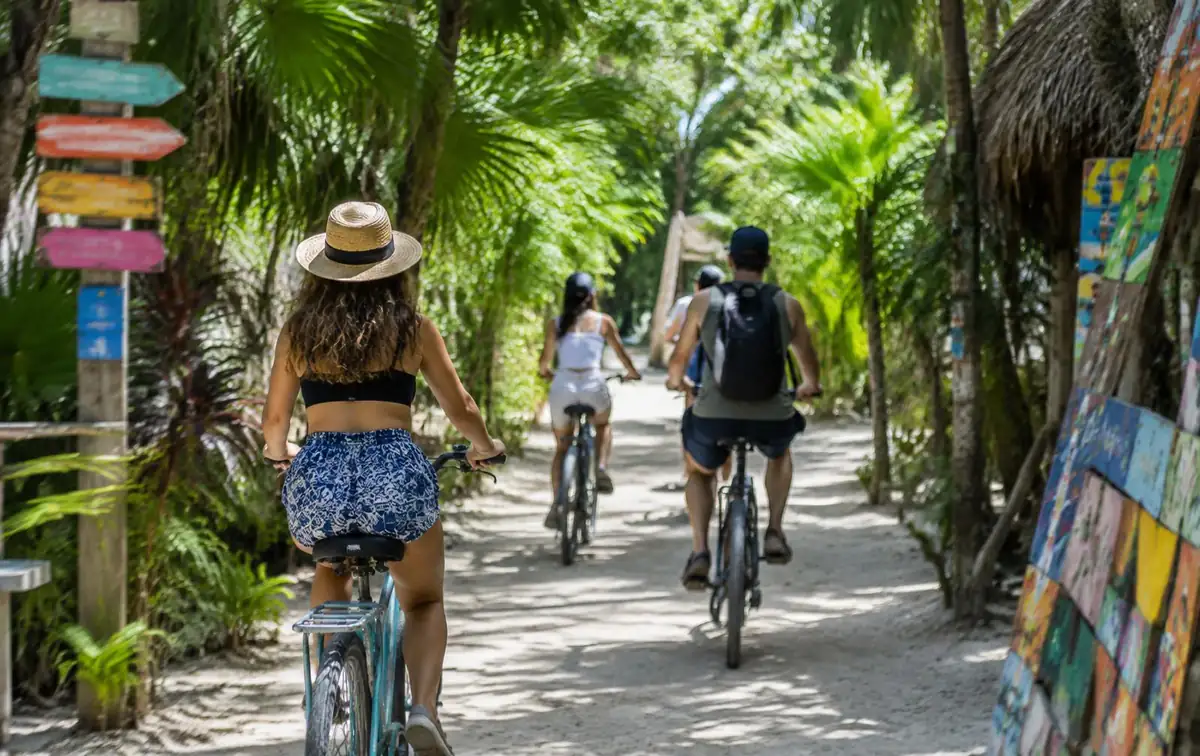
- Bike the path between town and the beach zone.
- Eat tacos and cochinita in Tulum town.
- Climb or view the pyramids of Coba in the jungle.
- Swim with sea turtles in Akumal Bay.
- Try a temazcal, the traditional Maya sweat lodge.
Which Historic Sites Can You See in Tulum?
The main historic site in Tulum is the walled Maya port city on the cliff, with El Castillo and the Temple of the Frescoes. Since 2024 the ruins sit inside the new Jaguar National Park, which also protects the nearby coast and jungle.
Tulum archaeological zone
The site is compact and takes about two hours. It has little shade, so arrive at opening. Our complete Tulum ruins visitor guide covers hours, fees and the main buildings.
Muyil (Chunyaxché)
Muyil is a quieter Maya site about 25 minutes south, at the edge of Sian Ka'an. A jungle boardwalk leads from the temples to a lagoon.
Which Tulum Beaches Are Worth Visiting?
Tulum's best beaches are Playa Paraíso, Playa Ruinas and Playa Pescadores, all close to the ruins, plus the long hotel-zone shore further south. All Mexican beaches are public, though some access points pass through beach clubs.
- Playa Paraíso: wide white sand, palms and beach bars; busiest at midday.
- Playa Ruinas: the small cove below El Castillo, reached from inside the site.
- Playa Pescadores: fishing boats and boat trips to the reef.
- Hotel zone beaches: quieter, lined with beach clubs and eco-hotels.
Sargassum seaweed can affect the beaches from spring to late summer; our Tulum weather and sargassum guide by month explains when.
Which Cenotes Near Tulum Should You Swim In?
The most popular cenotes near Tulum are Gran Cenote, Cenote Calavera, Dos Ojos and Casa Cenote. Cenotes are natural limestone sinkholes filled with fresh, clear groundwater, and many have caves or mangroves to snorkel.
- Gran Cenote: 10 minutes from town on the Coba road; caves, turtles, boardwalks.
- Cenote Calavera: small, deep and fun for jumping; close to Gran Cenote.
- Dos Ojos: two connected cave pools north of Tulum, famous for cave diving.
- Casa Cenote: an open mangrove cenote near the sea in Tankah.
- Kaan Luum: a turquoise lagoon with a deep cenote in the middle, south of town. See our Kaan Luum Lagoon guide.
Most cenotes require a shower before entry and ban chemical sunscreen.
What Nature Trips Can You Take Around Tulum?
The biggest nature trip from Tulum is the Sian Ka'an Biosphere Reserve, a UNESCO World Heritage Site since 1987. It protects lagoons, mangroves, reef and jungle south of town, and its boat tours often see dolphins, turtles and birds.
- Float down an ancient Maya canal at Muyil in a life vest.
- Take a boat tour from Punta Allen for dolphins and snorkeling.
- Walk or bike Jaguar National Park's trails near the coast.
- Snorkel the reef off Playa Pescadores by local boat.
What Can You Do in Tulum Town?
Tulum town (Tulum Pueblo) is where locals live, eat and shop, a few kilometres inland from the beach. It is cheaper than the beach zone and best for food, evening walks and street art.
- Eat tacos al pastor and cochinita pibil at local taquerías.
- Walk Avenida Tulum for shops, cafés and murals.
- Join a yoga class or a temazcal ceremony.
- Try a Mexican cooking or mezcal tasting class.
- Visit the main square in the evening, when families come out.
Which Nearby Trips Stay Within the Tulum Area?
The best short trips within the Tulum area are Akumal, Coba, Sian Ka'an and Kaan Luum lagoon. All belong to the Tulum municipality and sit under an hour from town, so each fits in a half or full day.
| Day trip | Drive | Best for |
|---|---|---|
| Akumal | ~25 min | Sea turtles, calm bays |
| Coba | ~45 min | Jungle pyramids, bikes |
| Sian Ka'an | ~30 min–2 h | Lagoons, wildlife |
| Kaan Luum | ~15 min | Turquoise lagoon |
| Muyil | ~25 min | Quiet ruins, canals |
Read our Akumal turtle bay guide before you go.
What Is Free in Tulum and What Costs Money?
Beaches, the town, the bike path and street life in Tulum are free. Ruins, cenotes, national parks and boat trips charge entry, usually a modest fee in pesos. Prices change often, so check at the gate.
| Activity | Free or paid | Tip |
|---|---|---|
| Public beaches | Free | Use public access paths |
| Tulum town | Free | Best in the evening |
| Bike path | Free (bike rental paid) | Rent in town |
| Tulum ruins | Paid | Park + site fees, cash useful |
| Cenotes | Paid | Bring pesos |
| Sian Ka'an | Paid | Reserve fee + boat |
| Beach clubs | Paid | Minimum spend common |
Things to Do in Tulum by Traveller Type
The right Tulum plan depends on who you travel with. These picks match common traveller types.
- Families: shallow cenotes, Akumal turtles, early ruins visit.
- Couples: sunset at a beach club, Kaan Luum lagoon, temazcal.
- Night owls: mezcal bars, live music and jungle parties; see our Tulum nightlife guide.
- History lovers: Tulum ruins, Muyil and Coba.
- Nature lovers: Sian Ka'an, Jaguar Park trails, cave cenotes.
- Budget travellers: public beaches, town food, colectivos, bikes.
- Rainy days: cave cenotes, cooking class, spa.
Transport Tips for Tulum's Sights
Getting around Tulum is easiest by bike, taxi or colectivo van. A paved bike path links town, the ruins and the beach zone, while colectivos run along Highway 307 to Akumal and the cenotes. Costs, Uber and taxi tips are in our guide to getting around Tulum.
- Bike: cheap, flat and good for the ruins and beaches.
- Taxi: agree on the fare before you get in.
- Colectivo: shared vans on the highway, paid in cash.
- Tren Maya: Tulum has a station on the Maya Train line, connecting Cancun and the peninsula.
- Rental car: useful for Coba, Muyil and Sian Ka'an.
How Many Days Do You Need for Tulum's Main Sights?
Three to four days covers Tulum's main sights without rushing: one day for ruins and beach, one for cenotes, one for Sian Ka'an or Coba, and an extra day for Akumal or rest.
- Day 1: ruins at opening, Playa Paraíso, dinner in town.
- Day 2: Gran Cenote and Calavera, afternoon bike ride.
- Day 3: Coba pyramids or Sian Ka'an boat trip.
- Day 4: Akumal turtles and Kaan Luum lagoon.
Short on time? Our Tulum ruins and cenote day tour combines days 1 and 2 with pickup.
Things to Do in Tulum: FAQ
Where is Tulum?+
Tulum is on Mexico's Caribbean coast in the state of Quintana Roo, about 130 km south of Cancun and 65 km south of Playa del Carmen. It has its own international airport, and Highway 307 connects it to the rest of the Riviera Maya.
What is Tulum best known for?+
Tulum is best known for its Maya ruins on a cliff above the Caribbean, white-sand beaches, nearby cenotes and a relaxed, eco-style hotel zone. It is also known for yoga retreats, beach clubs and as a base for Coba, Akumal and Sian Ka'an.
What can you do in Tulum when it rains?+
On a rainy day in Tulum, swim in a cave cenote such as Dos Ojos, book a temazcal or spa, take a cooking class or explore the town's cafés and shops. Rain usually comes as short storms, so beach or ruins plans often still work in the morning.
Is Tulum good for families?+
Tulum is good for families who prefer nature over theme parks. Children usually enjoy shallow cenotes, turtle snorkeling in Akumal and the ruins in the early morning. Bring reef-safe sunscreen, plan midday rest, and choose calm beaches such as those near Playa Paraíso.
Do you need a car to explore Tulum?+
You do not need a car to explore Tulum. Bikes, taxis and colectivo vans cover the town, beaches and main cenotes. A car helps for Coba, Muyil or Sian Ka'an, but tours with pickup are an easy option for these longer trips.
Is Tulum expensive to visit?+
Tulum's beach zone is one of the more expensive areas of the Riviera Maya, especially for hotels and beach clubs. The town centre, street food, public beaches and colectivos are much cheaper. Many top sights charge only a modest entry fee, usually paid in pesos.
Want help with transport? See our Tulum day trips with pickup.
Tulum Guides by Topic
Ruins: Tulum ruins, Coba ruins and Muyil ruins. Swims: the best cenotes in Tulum, Gran Cenote, Cenote Calavera, Casa Cenote and Kaan Luum Lagoon. Coast: Tulum beach, Tulum beach clubs and Akumal.
Trip basics: where to stay in Tulum, Tulum restaurants, Tulum nightlife, best time to visit Tulum and is Tulum safe. Ready to go? See all Tulum tours.